Shopping Cart

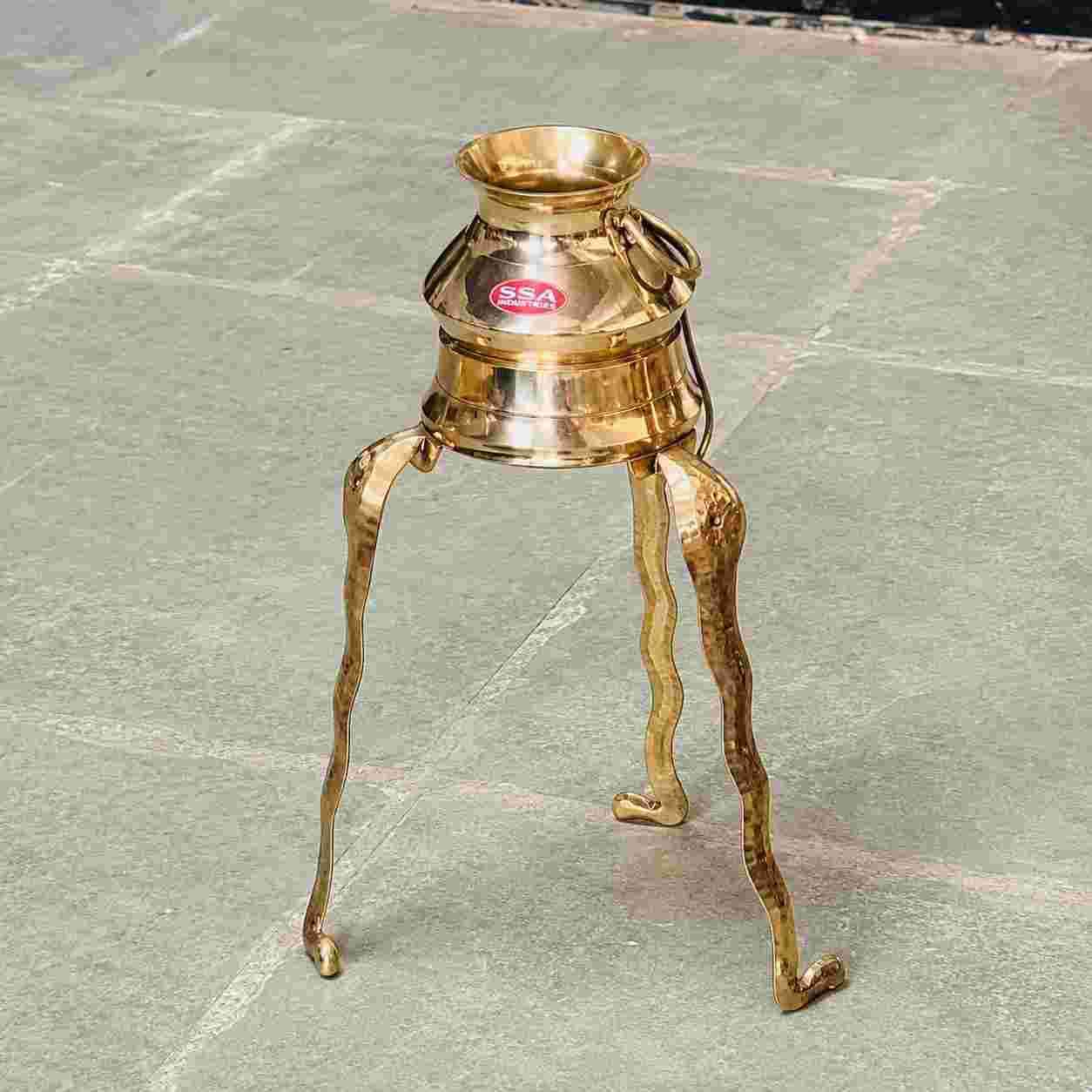
Shivling
Rs. 38.50 Rs. 40.00
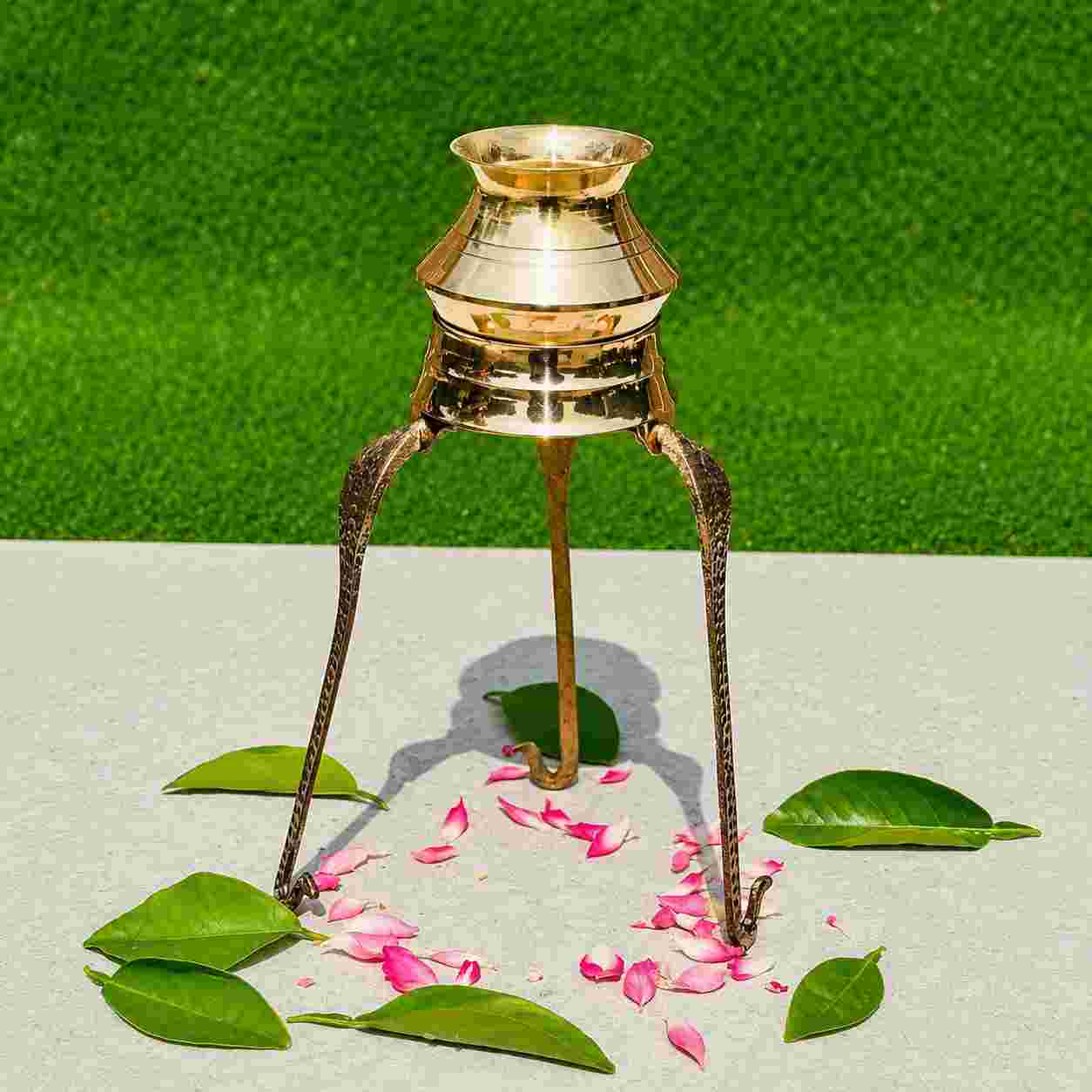
Shivling
Rs. 14.50 Rs. 18.00
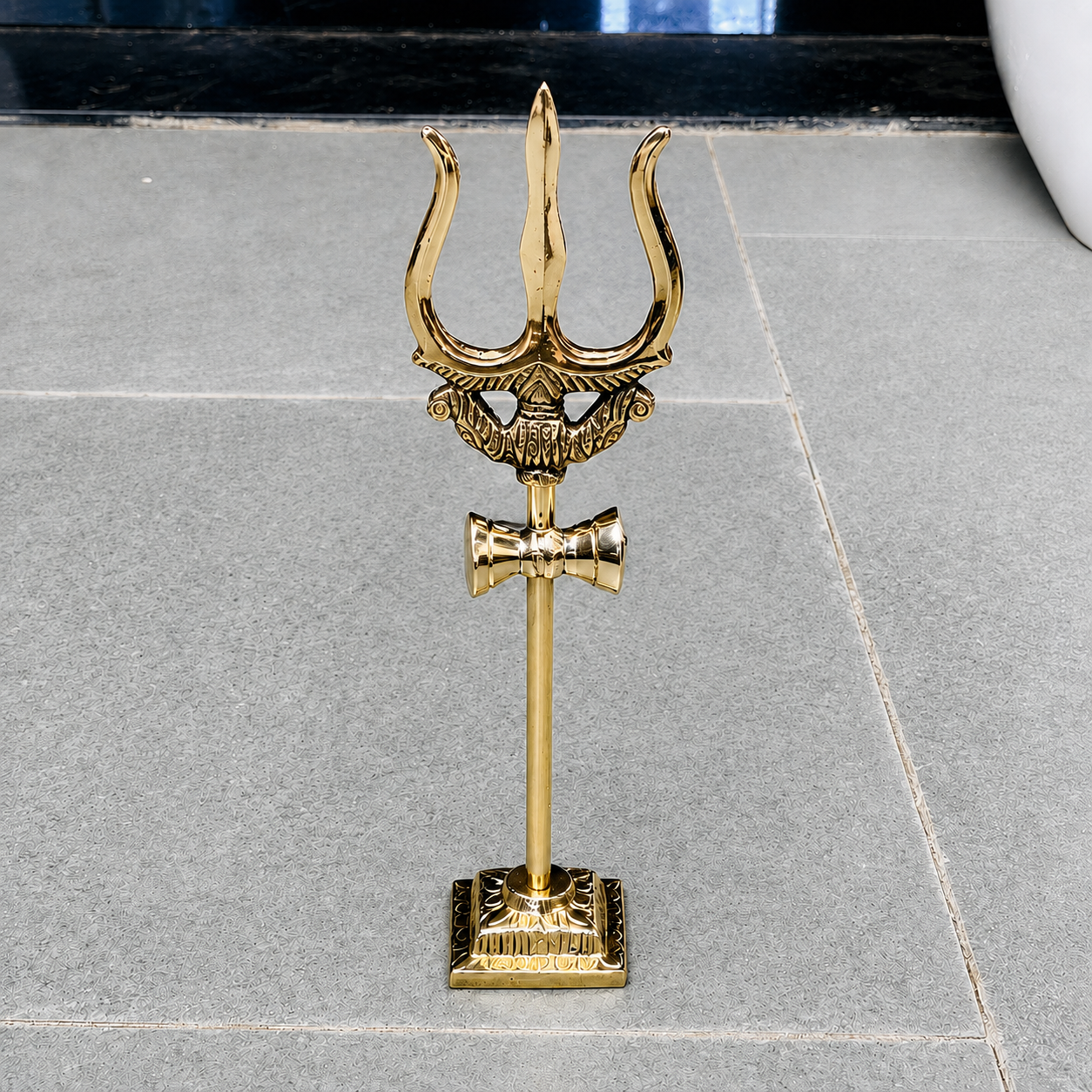
Shivling
Rs. 20.00 Rs. 21.00
Subtotal
220Rs.
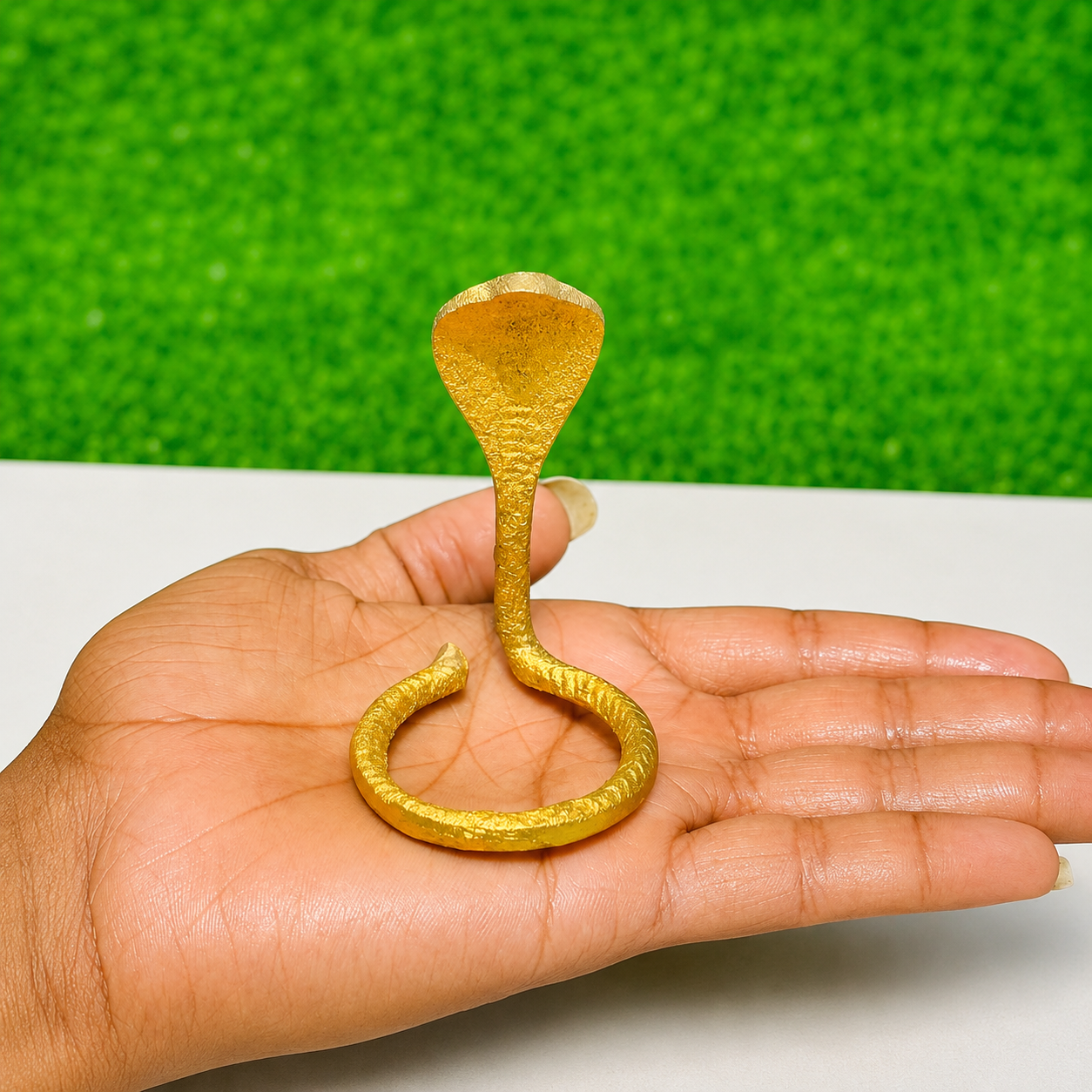
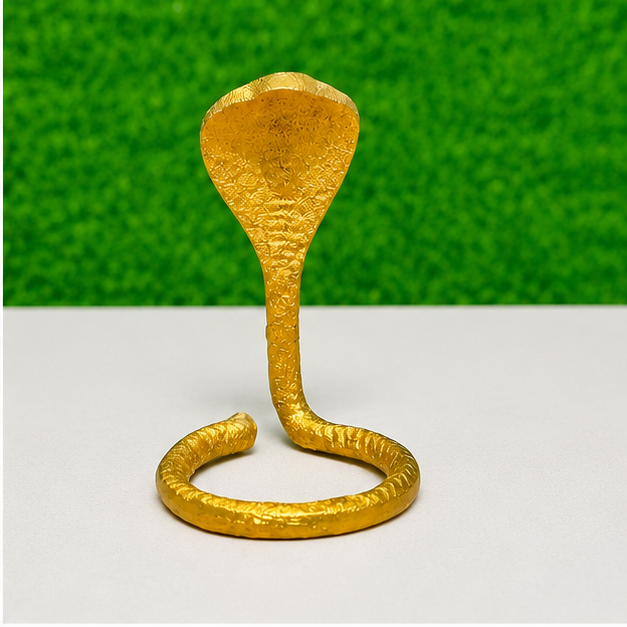
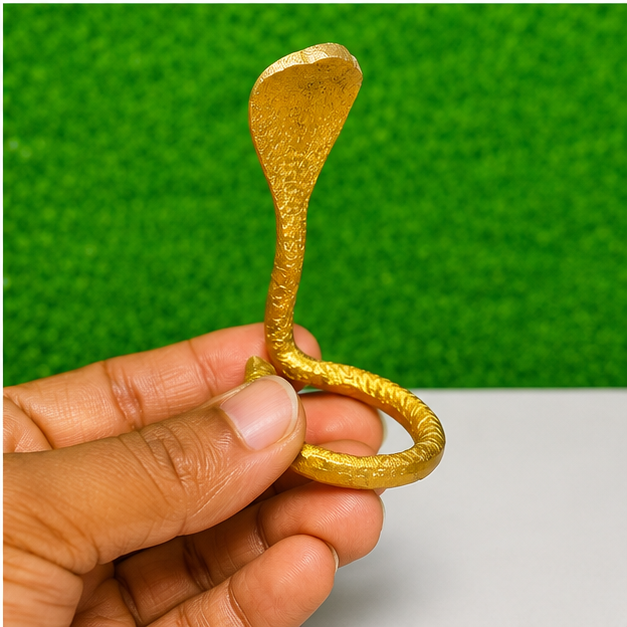
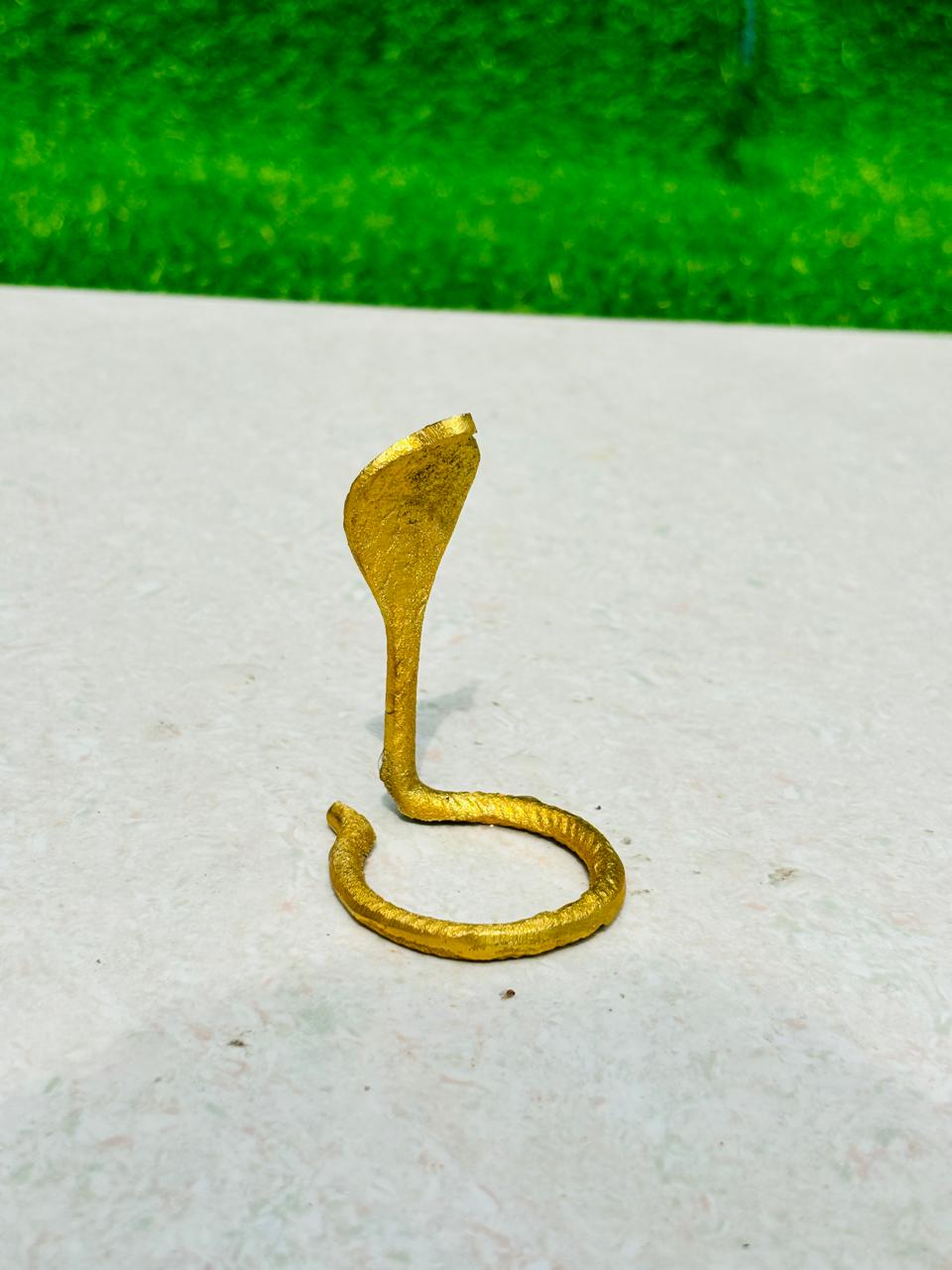
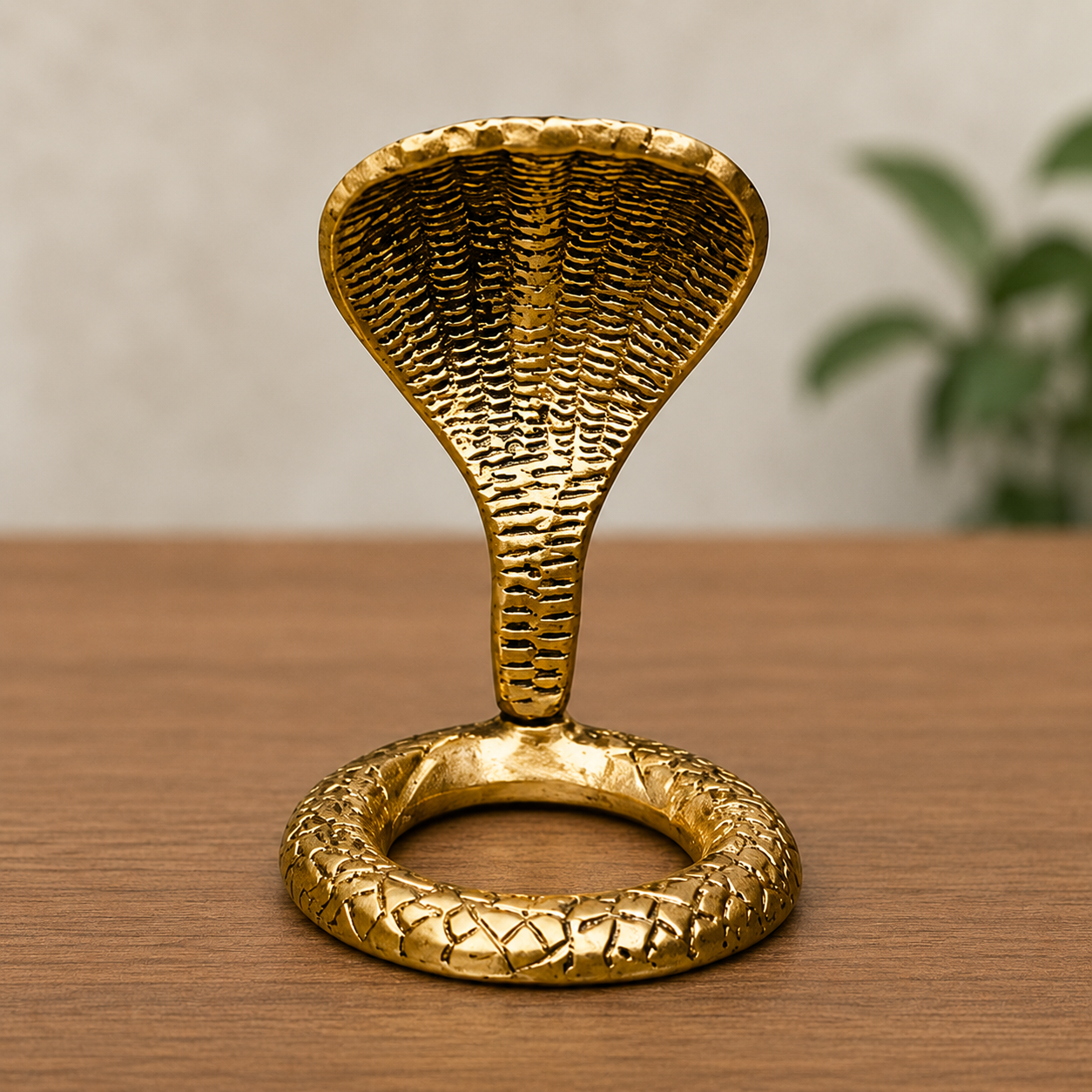
In Hinduism, Lord Shiva is one of the most worshipped deities and is known as the Supreme Consciousness, the Destroyer of Evil, and the Lord of Transformation. One of the most unique symbols associated with Lord Shiva is the Naag (Serpent) that is seen around his neck and often placed near or around the Shivling. The presence of the Naag with the Shivling is not merely decorative; it carries profound spiritual, symbolic, religious, and philosophical significance.
The Naag represents power, protection, wisdom, eternity, spiritual awakening, and control over fear and desires. In temples and home mandirs, devotees often place a brass, copper, silver, or stone Naag over the Shivling to honor Lord Shiva and invite positive energies into their lives.
This article explains in detail why the Naag is associated with Lord Shiva, why it is placed with the Shivling, its spiritual benefits, religious significance, symbolism, and importance in daily worship.
The serpent holds a sacred position in Hindu tradition. Unlike many cultures where snakes are viewed as dangerous creatures, Hinduism regards them as divine beings connected with cosmic energy and spiritual wisdom.
The Naag symbolizes:
Many Hindu deities are associated with serpents. Lord Vishnu rests on Sheshnag, while Lord Shiva wears a serpent around his neck. This demonstrates the serpent's importance in maintaining cosmic balance and divine power.
The Shivling represents the infinite form of Lord Shiva and the cosmic source of creation.
The Naag placed over or around the Shivling serves multiple spiritual and symbolic purposes.
One of the primary reasons for placing the Naag over the Shivling is protection.
The serpent acts as a guardian of divine energy.
Just as Vasuki protects Lord Shiva, the Naag protects the sacred spiritual energy of the Shivling.
Many temple sculptures show a multi-headed serpent canopy above the Shivling, symbolizing divine shelter and protection.

Many devotees believe that placing a Naag-adorned Shivling in the home temple creates a spiritually uplifting environment and strengthens devotion toward Lord Shiva.
A Shivling with Naag is believed to enhance the spiritual vibrations of the home and create an atmosphere of peace, devotion, and positivity.
Daily worship, Abhishek, and chanting of "Om Namah Shivaya" before a Naag-protected Shivling are believed to attract the blessings of Mahadev for health, happiness, and prosperity.
The Naag represents divine guardianship and is believed to safeguard the home from negativity and harmful influences.
The symbolism of Kundalini energy and higher consciousness inspires meditation, self-discipline, and spiritual development.
Regular worship of Lord Shiva through a Shivling with Naag is believed to bring mental peace, emotional balance, and harmony within the family.
According to traditional beliefs, Nagas are guardians of hidden treasures and earthly wealth. Therefore, the Naag is often considered a symbol of abundance, prosperity, and success.
One of the most common questions among devotees is why Lord Shiva wears a serpent around his neck.
According to Hindu scriptures, the serpent around Shiva's neck is known as Vasuki Naag.
The presence of Vasuki symbolizes:
The snake is often feared by humans. By wearing a serpent around his neck, Lord Shiva demonstrates complete control over fear and danger.
He teaches devotees that true spirituality begins when one conquers fear.
The serpent represents human desires, ego, anger, greed, and attachment.
Lord Shiva wearing the serpent indicates that he has mastered all worldly emotions and desires.
A snake is considered a powerful creature. Lord Shiva's association with the serpent shows that all forms of power are under his control.
The serpent periodically sheds its skin and appears renewed. This process symbolizes rebirth, transformation, and immortality.
Lord Shiva, being eternal and beyond death, is naturally associated with this symbolism.
गंगा ,यमुना ,तथा सरजू अदि पावन नदियों के स्नान करने से जो फल मिलता है वह फल नर्मदा के दर्शन मात्र से प्राप्त हो जाता हैपुराणों के अनुसार नर्मदा शिव पुत्री होने के कारण नर्मदा को शाग्री भी कहा जाता है जब भगवान भोलेनाथ मेकल पर्वत पर तपस्या में लींन थे तब देवताओ ने उनकी स्तुति करके उन्हें तपस्या से जगाया तो उनके शारीर से पसीने की कुछ बुँदे पर्वत पर गिरी इन्ही बूंदों से एक कुंड का प्रादुर्भाव हुआ.
फिर इस कुंड से एक बारह वर्ष की कन्या उत्पन्न हुई जो सुन्दरता की मूरत थी तथा जिसको देखने पर सुखद अनुभव होता था अत्यंत रूपवती होने के कारण देवताओ ने उसका नाम नर्मदा रखा (नर्म का अर्थ है- सुख और दा का अर्थ है- देने वाली) जिसे नर्मदा नदी के नाम से जानते है| इसका उदगम मेकल पर्वत से होने के कारण इसे मेकल सुता भी कहते है जब यह पर्वतीय क्षेत्र से बहती है.
तब रोव की आवाज करते हुए आगे बढती है इसलिए इसे भक्तजन रेवा भी कहते है नर्मदा को मध्यप्रदेश की जीवन रेखा भी कहा जाता है यह उत्तर और दक्षिण भारत के बिच एक पारम्परिक शीमा की तरह कार्य करती है यह अपने उद्वागम से पश्चिम की 1,312 किमी चल कर खम्भात की खाड़ी में जाकर मिलती है.
माँ नर्मदा नदी करोडो लोगो की आस्था का प्रतिक है इसे जीवनदायिनी भी कहा गया है नर्मदा नदी मध्य प्रदेश और गुजरात की प्रमुख नदी है जिसके किनारों पर 10 हजार तीर्थ स्थल है जहां सभी नदिया पश्चिम से पूर्व की और बहती है और बंगाल की खाड़ी में समाहित होती है वही नर्मदा नदी एक ऐसी नदी है जो पूर्व से पश्चिम की तरफ बहती है और अरबसागर में विलीन हो जाती है.
नर्मदा नदी लम्बाई 1,312 किमी है भोगोलिक स्थति के अनुसार देखते हुए नर्मदा लिफ्ट वेली में होने के कारण भी उल्टी दिशा में प्रवाहित होती है पुराणों के अनुसार -नर्मदा नदी के बारे में कहा जाता है कि यह राजा मैखल की पुत्री थीं। नर्मदा के विवाह योग्य होने पर मैखल ने उनके विवाह की घोषणा करवाई। साथ ही यह भी कहा कि जो भी व्यक्ति गुलाबकावली का पुष्प लेकर आएगा.
हम आपको नर्मदा नदी के महत्व के बारे में बतायेगे प्राचीन ग्रंथो जो रेवा नदी का उल्लेख मिलता है वह रेवा नदी और कोई नही नर्मदा ही है जिसे माँ रेवा के नाम से भी जाना जाता है नर्मदा ही एक ऐसी नदी है जिसकी परिक्रमा की जाती है भक्तजन बड़ी आस्था से माँ नर्मदा की परिक्रमा करते है नर्मदा को पापनाशिनी भी कहा जाता है। नर्मदा शब्द ही मंत्र है और नर्मदा कलियुग में अमृत धारा है। नर्मदा के किनारे तपस्वियों की साधना स्थली भी हैं और इसी कारण इसे तपोमयी भी कहा गया है.
जिसके दर्शन से ही समस्त पापो का नाश हो जाता है नर्मदा नदी का हर कंकर शक्कर के रूप में पूजा जाता है क्युकी नर्मदा नदी ही ऐसी नदी है जिसके तल से निकले शिवरुपी शिवलिंग निकलते है जिसे नर्मदेश्वर शिवलिंग कहते है नर्मदा से निकले नर्मदेश्वर शिवलिंग साक्षात भोले नाथ स्वरूप होते है जिनकी पूजा करने से अनेक लाभ मिलते है नर्मदेश्वर शिवलिंग स्वयंम्भू होते है.
जिसको प्राण प्रतिष्ठा की आवश्यकता नही होती है इन्हे नर्मदा से लाकर सीधे स्थापित किया जा सकता है नर्मदेश्वर शिवलिंग अत्यंत पवित्र और पावन होते है जिनसे सकारातमक उर्जा प्रवाहित होती रहती है जो कोई भी नर्मदेश्वर शिवलिंग घर में स्थापित करता है उसको शांति तथा सुख की प्राप्ति होती है घर में नर्मदेश्वर शिवलिंग रखना शुभ माना गया है.
नर्मदेश्वर शिवलिंग केवल नर्मदा नदी से ही निकलते है क्युकी माँ नर्मदा को वरदान प्राप्त है की नर्मदा से निकला हर कंकर शंकर के रूप में पूजा जायेगा पुरानो में कहा गया है की प्राचीन काल में नर्मदा नदी ने जब गंगा नदी के समान होने के लिए निश्चय किया और ब्रह्मा जी की तपस्या करने लगी क्योकि ब्रह्मा जी ही एक ऐसे देवता है जो वरदानो के लिए प्रसिद्ध है|किसी भी देवता या दानव को जब वरदान प्राप्त करना रहता था.